
Open-plan offices
Densely packed desks, hard finishes and glass partitions make conversations travel. Masking lowers the distance at which speech is intelligible, so people stop overhearing each other across the floor.
Sectors
Any building where people need to concentrate or where conversations must stay private is a candidate. These are the environments we're asked about most.
Densely packed desks, hard finishes and glass partitions make conversations travel. Masking lowers the distance at which speech is intelligible, so people stop overhearing each other across the floor.
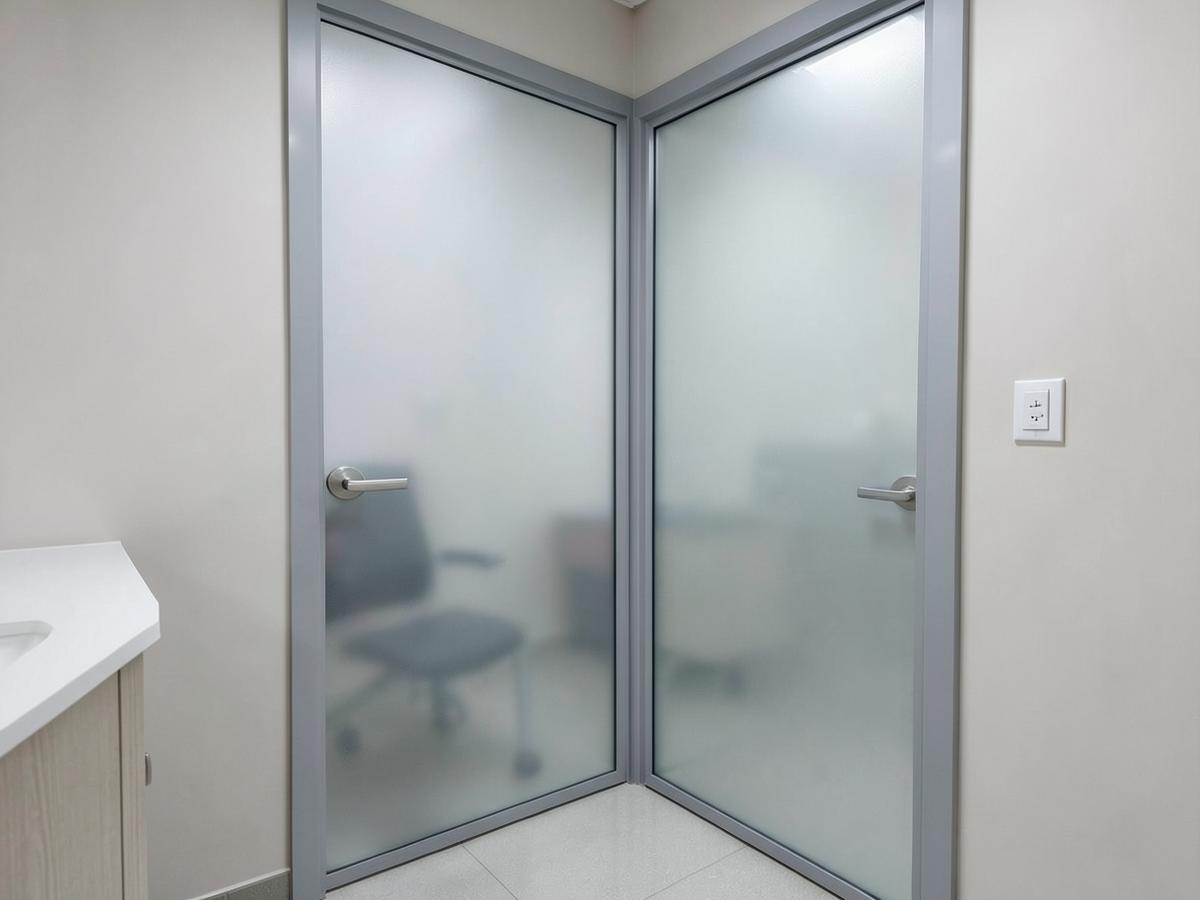
Reception desks, waiting areas and thin partition walls put patient conversations within earshot. Masking supports confidentiality obligations without rebuilding the room.
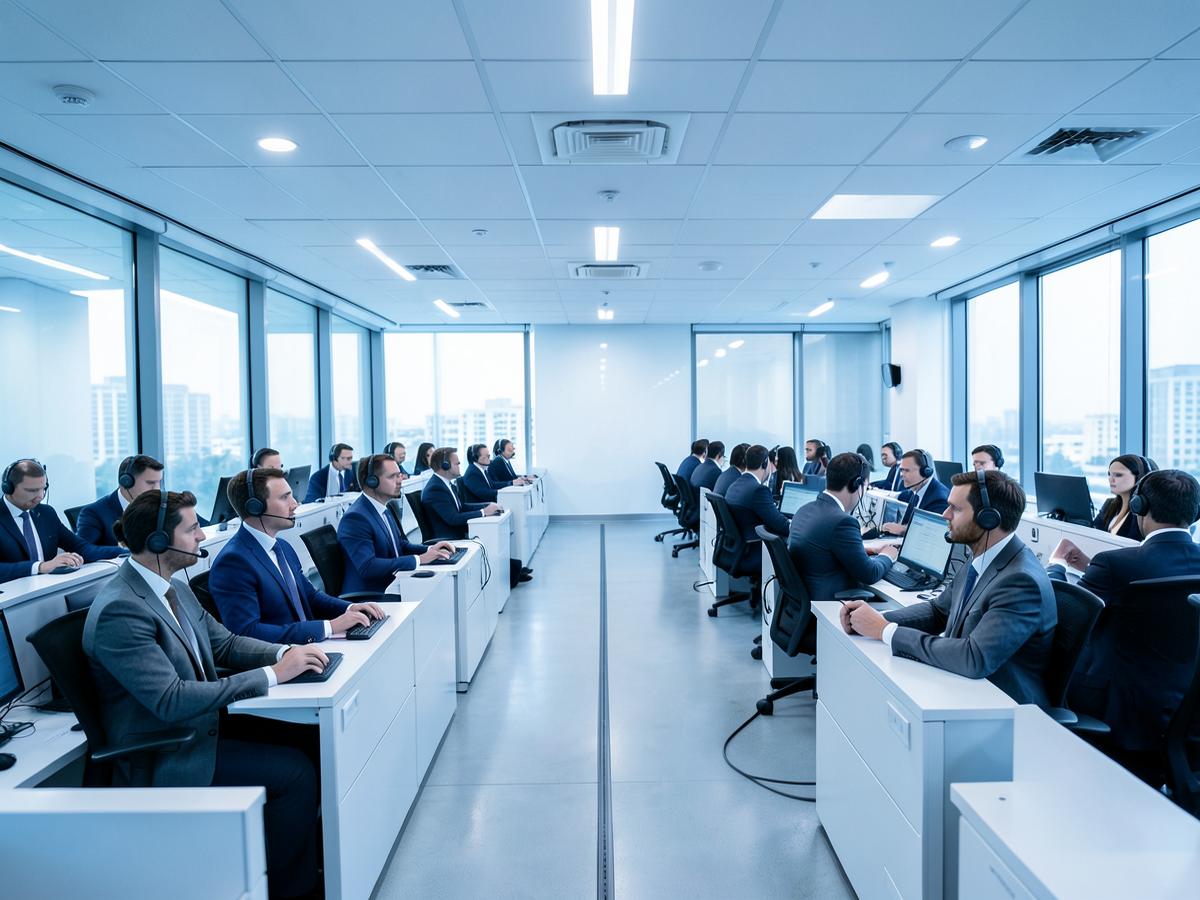
Agent-to-agent bleed raises voices, which raises noise further. Masking breaks that cycle and improves what the customer on the line hears.
Client confidentiality in meeting rooms and partner offices.
Sensitive conversations next to open circulation space.
Study areas, SEN rooms and staff offices.
Speech privacy requirements around meeting and interview rooms.